
Junk car value, worked out from the first call
Where a junk car's value comes from
A junk car is worth what its metal weighs, plus any parts still worth pulling, plus more again if it can be driven away and resold. Our quote call at Top Dollar Junk Cars works out which of those apply to your car, so the figure fits that car rather than an average.
That's why the first thing we do is ask questions rather than quote a number. Two cars of the same year can be a long way apart: one has its engine, converter and four wheels, and the other has been parked behind a garage for six winters with the battery gone. Same badge, different car.
What our quote call asks, and why
Here is the call sheet, item by item. Having the answers to hand makes the call short.
| Item on the call | Why it counts | Where it's printed |
|---|---|---|
| Year, make and model | Gives us the curb weight and tells us which of its parts other drivers still need | Title, registration card, or the label inside the driver's door |
| Body style | A pickup or full-size SUV carries far more steel than a compact sedan | The same papers, or simply say what it is |
| Running or not | A car that starts and drives may be worth more than scrap, so we ask before pricing it as metal | Nothing to read: turn the key, if you have one |
| Catalytic converter | It's among the most valuable single parts, so a cut-off converter changes the figure | Under the car, in the exhaust between the engine and the muffler |
| Wheels, battery, engine, transmission | Each missing piece lowers what the car is worth to a parts buyer | A walk around the car and a look under the hood |
| Flood or fire damage | Water and heat ruin wiring, seats and many parts that would otherwise sell | Your own history with the car, or the insurer's letter |
| Title or other papers | Decides how the sale goes through, and the rules differ between Illinois and Indiana | The title, a registration card or an insurance card |
| Pickup spot | Street, alley, driveway, garage, shop or lot tells the driver how to reach and load it | Your address, plus a word about access |
Weight sets the floor
Every junk car is worth at least its metal. Steel is bought by weight, so a heavy body-on-frame truck starts from a higher floor than a hatchback. The year, make and model are how we look the weight up, which is why they come first on the call.
Parts lift it above the floor
Above that floor sits anything that can be pulled and sold: an engine or transmission that still works, alternators and starters, doors and lights without damage, alloy wheels. Common models do best here, because so many of them are still being driven and repaired. A part that fits thousands of cars around Chicago has buyers; a part for a rare import may not.
This is also why we ask what's missing. If the converter was cut off one night, or the wheels went to another car, those parts aren't in the price, and the figure is only as good as the answers it's built on.
Papers decide the route, not just the price
A title makes the sale simple. Without one, what happens next depends on the state: Illinois rules decide which papers work for a scrap sale, and Indiana requires the title or a BMV certificate of authority. Our page on selling a junk car with no title walks through both states.
Does the age of the car matter?
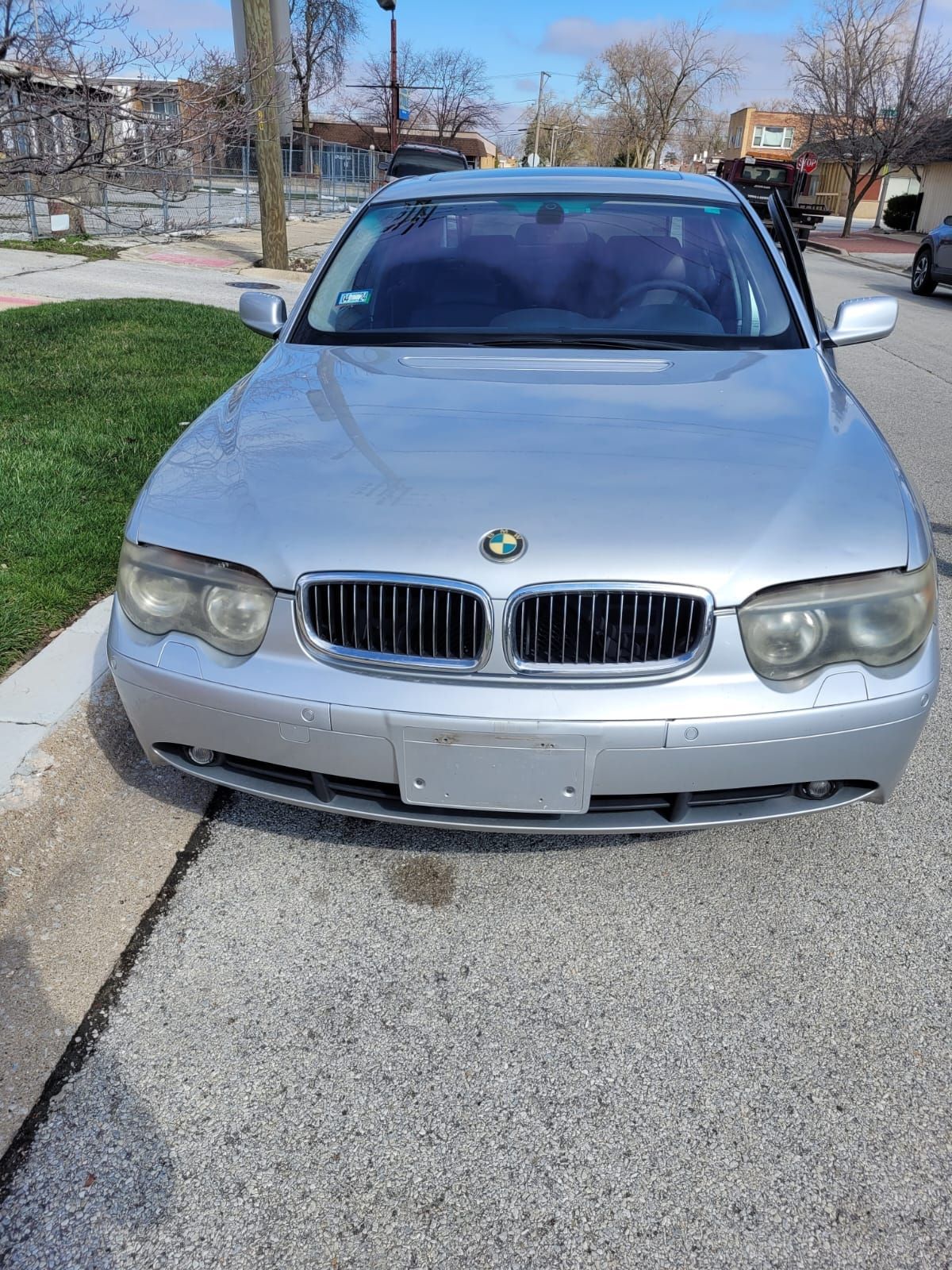
Yes, but less than people expect, and that was the honest answer when this page first went up. The year matters mostly through parts: a car from a generation that's still common on the road has parts people want. Beyond that, condition wins. A twenty-year-old sedan that runs, with every panel in place, can be worth more than a much newer car that has been in a fire or stripped for parts.
So if your car is old, don't assume it's worth only scrap. And if it's newer but badly damaged, don't assume the year carries it. Tell us both, and let the call do the sorting.
Chicago conditions that change what you keep
Some things about owning a dead car here don't change its weight, but they do change how much of its value you end up with.
- Salt and rust. Years of salted winter roads show up as rust in rocker panels, brake lines and frame rails. Heavy rust eats metal and seizes the bolts a parts buyer would need to undo, so a rusted-out car tends to be priced closer to its scrap floor.
- Flooded streets. A car that sat in standing water often loses its electronics and interior, even when the body looks fine. Some suburbs have known trouble spots; our Midlothian pickup page names the areas that village's own stormwater plan studies.
- The clock on the street. In Chicago, a car that hasn't moved for more than seven consecutive days and looks deserted can be reported as abandoned, as can one that can't be driven in its current state (City of Chicago 311). A car kept at a Chicago address also needs a city vehicle sticker (Office of the City Clerk). Tickets and a tow can cost more than you'd expect, so a dead car parked outside rarely gets cheaper to keep.
When the insurer, or the car's age, changes the picture
Some value questions start with an insurer rather than the car. If a crash or a flood has written the car off, the payout follows Illinois rules on actual cash value, which is a different number from its junk value; how a totaled car's value is set explains the methods and how to question a low figure. If the car is simply parked and waiting for a tow, insuring a car that's waiting to be junked covers what Illinois expects and what's worth keeping.
Age can cut the other way. A car past 25 might be worth more to a collector than to a junk buyer, so check whether it's a classic before you scrap it.
Why there's no price list on this page
Scrap metal prices move with the market, and parts demand changes from model to model. Any number printed here would be wrong for most cars within weeks, and a figure that's right for the average car is wrong for yours. We'd rather give you one number for your car, on the phone, built from your answers. You can then compare it with other buyers; our guide on whether junkyards negotiate shows how to line quotes up fairly.
Go deeper
- No title? What papers work in Illinois and in Indiana.
- How offers move, and what's fixed in a junk car figure.
- How other kinds of buyer set a price: scrap yards, parts yards, private buyers.
- Selling to a junkyard: the jobs to do before the truck comes.
- Junk it or list it yourself? The two routes side by side.
Ready for a number? Start a quote, or browse every guide we've written.